If you’ve ever been tempted to tattoo yourself at home (or let your mate give it a go in the kitchen after a few drinks), you’re not alone. With the rise of stick-and-poke kits online and TikTok tutorials racking up millions of views, home tattooing might seem like a harmless bit of body art experimentation. But before you grab that needle and ink, there’s a question you need to ask: Is home tattooing illegal in Australia?
Let’s break it down from the perspective of trained, licensed beauty therapists and body art tattooists who understand skin, hygiene, and the consequences of cutting corners — because your health (and your face!) deserves better than back-alley aesthetics. At Cosmetic Tattoo Brisbane Studio Face Figurati, we’ve corrected more than our share of DIY disasters, and we know what it takes to do things safely and legally.
Contents
Where You Live Changes the Rules
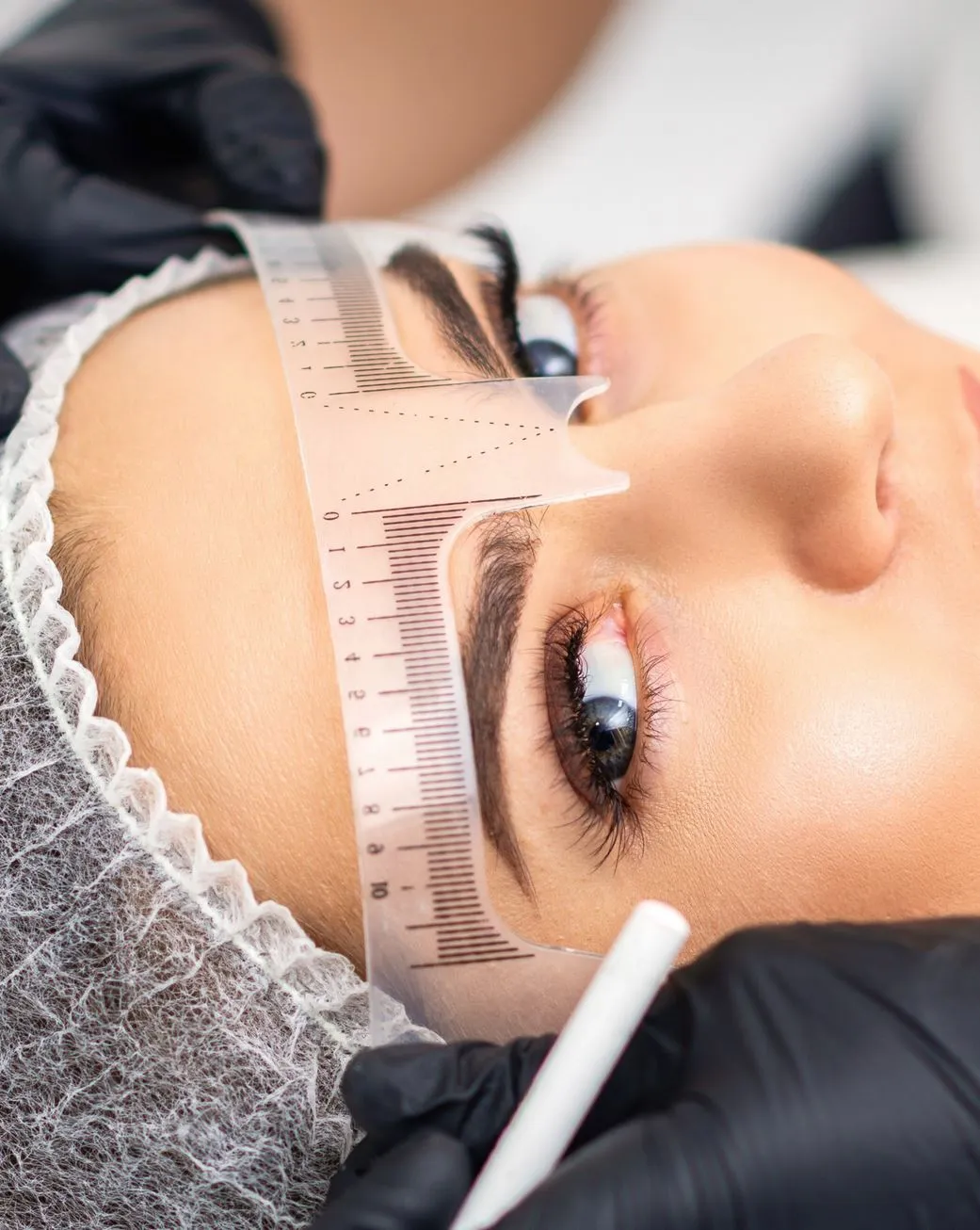
Across Australia, tattooing is a regulated practice. But the legalities of home tattooing vary by state and territory. In some places, it’s technically legal to tattoo yourself. In others, even performing a cosmetic tattoo without the correct licence or council approval can land you in serious trouble.
So the question isn’t just “Is home tattooing illegal?” It’s: Are you trained, licensed, insured, and following all health and infection prevention regulations?
Spoiler: If you’re doing tattoos at home without all of the above, you’re almost certainly breaking the law.
Why Regulation Exists
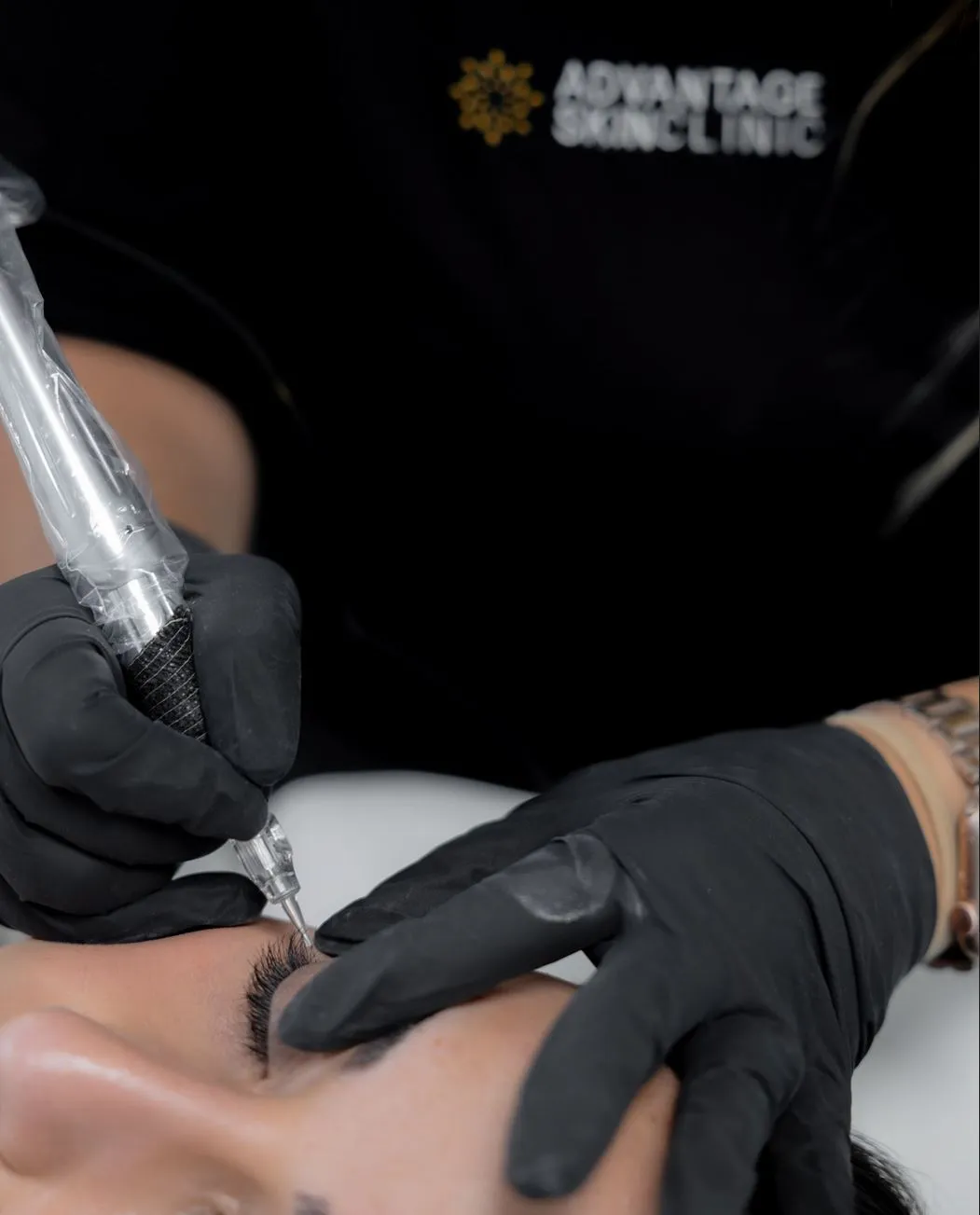
We get it. Licences, inspections, and council approvals might sound like overkill if you’re just “giving a friend a tattoo.” But tattooing — especially cosmetic tattooing and other body modifications — is a skin-penetrating procedure. That means blood, body substance exposure, risk of infection, and long-term scarring if something goes wrong.
In Queensland (where our Brisbane tattoo studio is based), anyone performing tattooing or cosmetic tattooing must:
- Be licensed under the Tattooing Regulation 2013 (for body tattoos)
- Have council-approved premises that meet strict hygiene codes
- Use only sterile equipment and single-use tools or certified autoclaves
- Follow infection control protocols as outlined by Queensland Health
Performing tattooing outside these conditions? That’s a big legal and public health no-no that could put your health at risk.
Legal or Not?
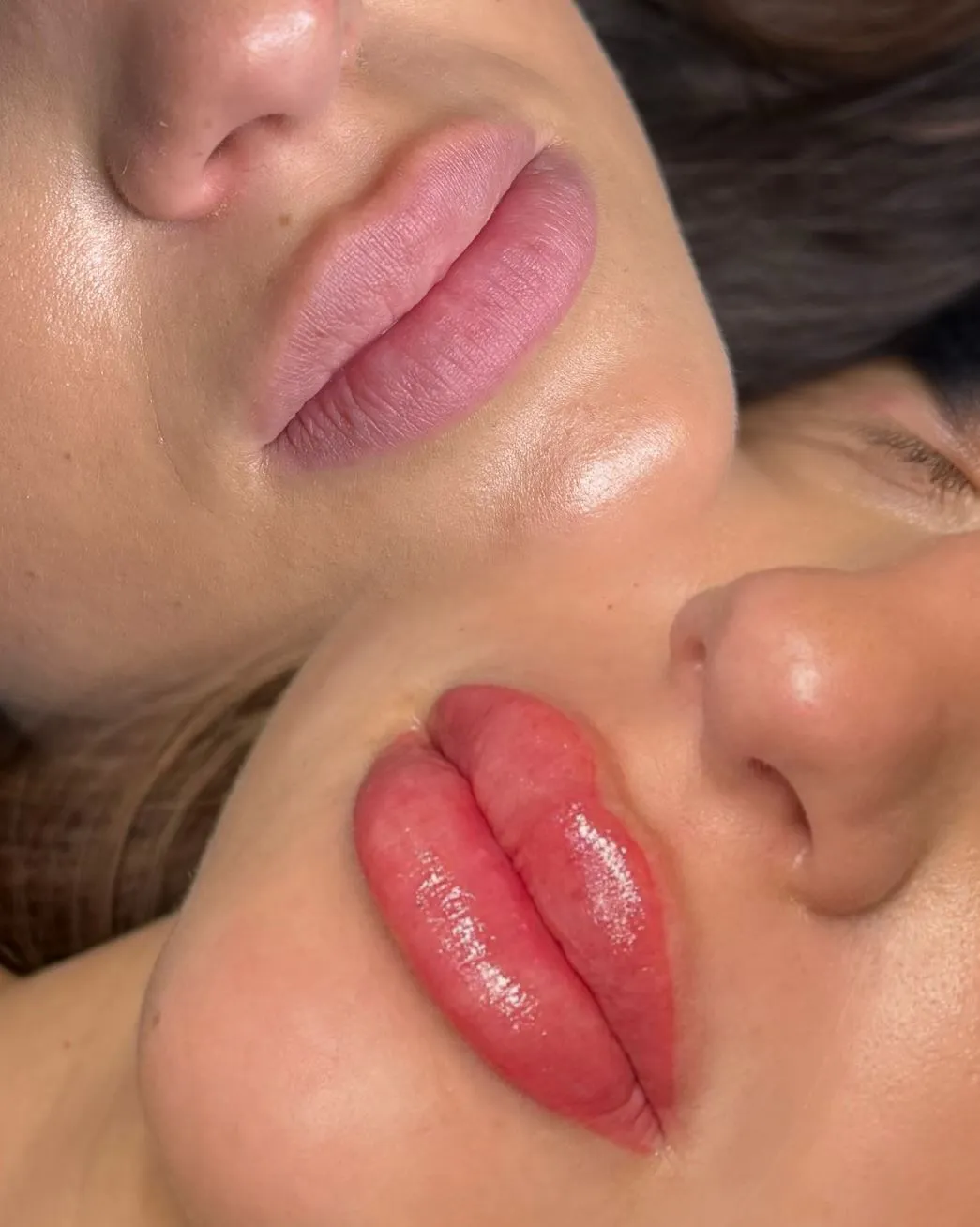
Let’s clear this up right now: you cannot legally perform cosmetic tattooing at home in most Australian states without council approval and proper licensing.
We’re talking about procedures like:
- Lip blush tattoo
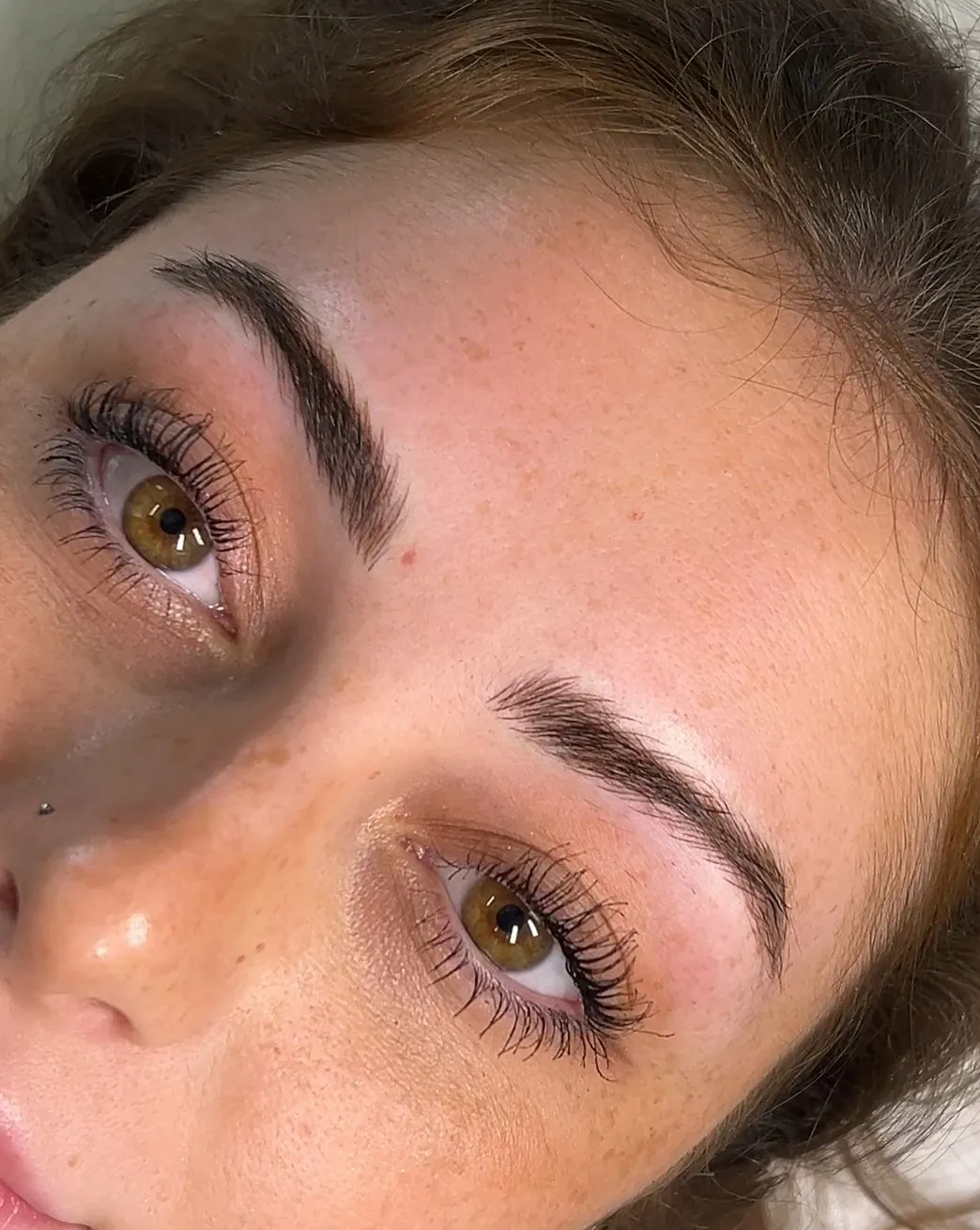
- Eyebrow tattooing (microblading, ombré, powder brows)
- Eyeliner tattoo
- Beauty spots and freckles
These types of tattooing services are not “beauty treatments” in the casual sense. They require:
- Formal training (including infection control qualifications)
- Registration as a personal appearance service
- Council inspection and approval
- Professional-grade equipment and pigments
If you’re thinking of offering these services professionally, a certified cosmetic tattoo course is not just recommended — it’s essential.
Real Risks We See in the Studio
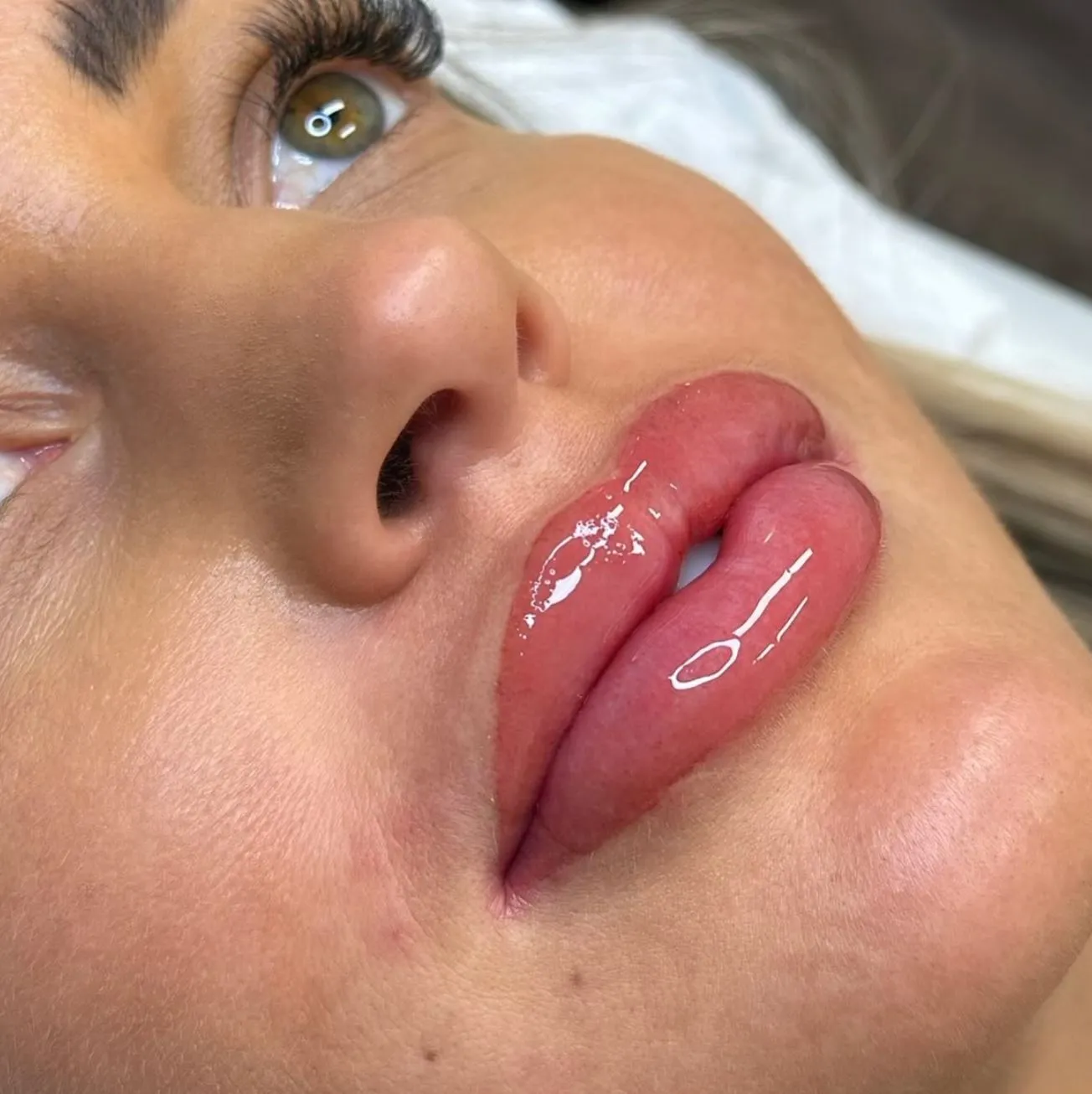
As licensed cosmetic tattoo artists with years of hands-on experience, we’ve seen the aftermath of home tattoo attempts. And it’s not pretty.
Some of the most common issues we correct:
- Blue or grey eyebrows from cheap pigments
- Patchy lip colour from inconsistent depth
- Scarring and keloids from going too deep
- Infections and allergic reactions from dirty tools or non-sterile environments
- Uneven shapes from stencils that don’t suit the client’s cultural background or natural features
One client came to us after using a DIY machine she bought online. She ended up with harsh black eyeliner that bled into her lower lash line. Fixing it took multiple saline removal sessions — and she’ll never get that crisp lash enhancement look she wanted.
State-by-State Overview
| State/Territory | Is Home Tattooing Legal? | Licensing Requirements |
|---|---|---|
| QLD | No (without licence & council approval) | Tattoo licence, infection control, council-inspected premises |
| NSW | No (illegal without a licence) | Tattooing requires licensing under the Tattoo Parlours Act 2012 |
| VIC | No (must be registered) | Health regulations require registration with the local council |
| WA | No (high penalties) | Body art regulation is enforced by the Department of Health |
| SA | No | Business registration & compliance required |
| TAS | No | Tattooing is defined under the Public Health Act 1997 |
| ACT | No | Personal Appearance Service licensing required |
| NT | No | Public Health Regulations apply |
Even tattooing yourself can breach laws if hygiene standards aren’t met, especially if the tattooing is filmed and shared online (which can imply commercial intent or advertising a tattoo business).
What Makes a Tattoo Studio Legal in QLD?
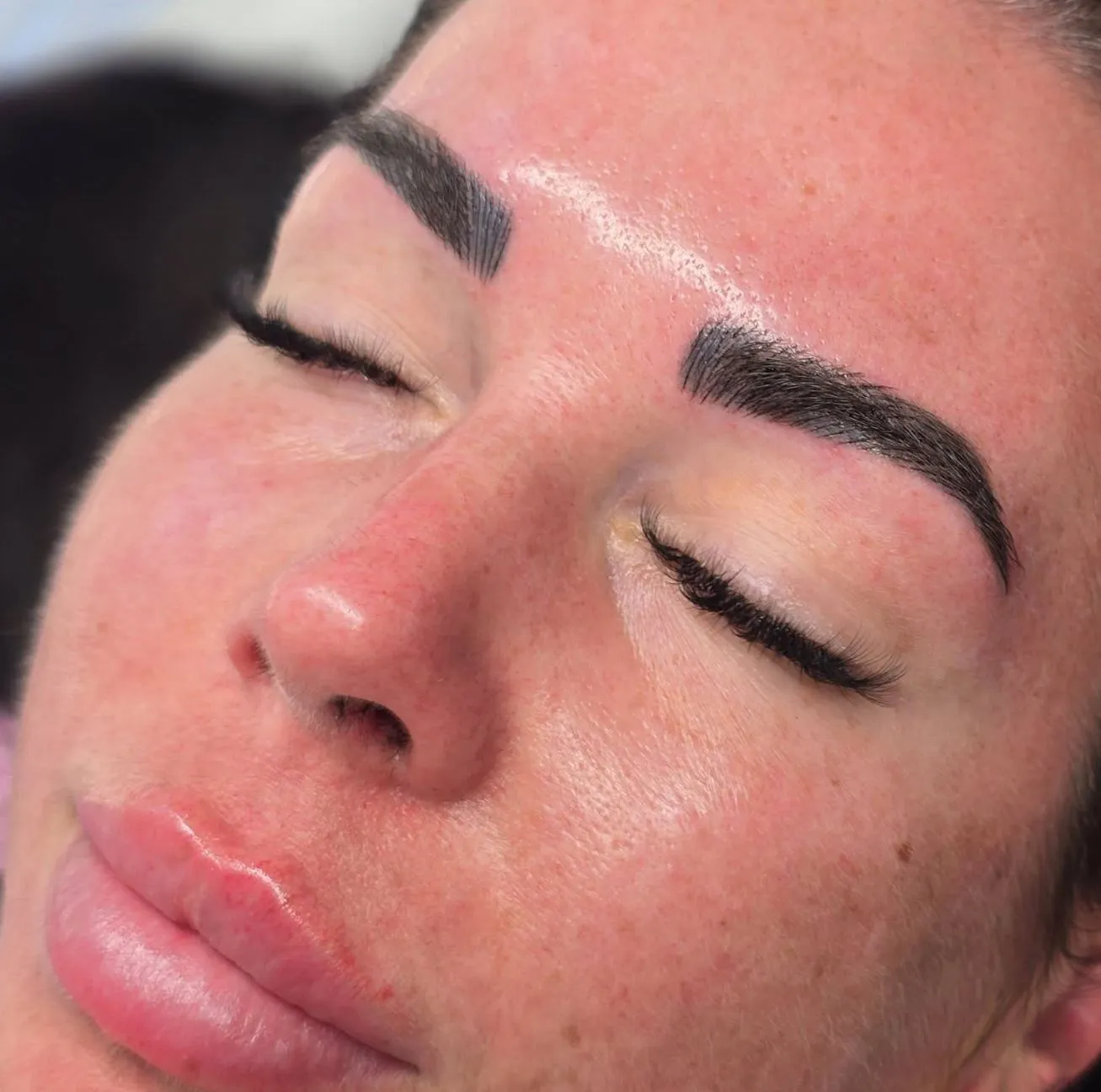
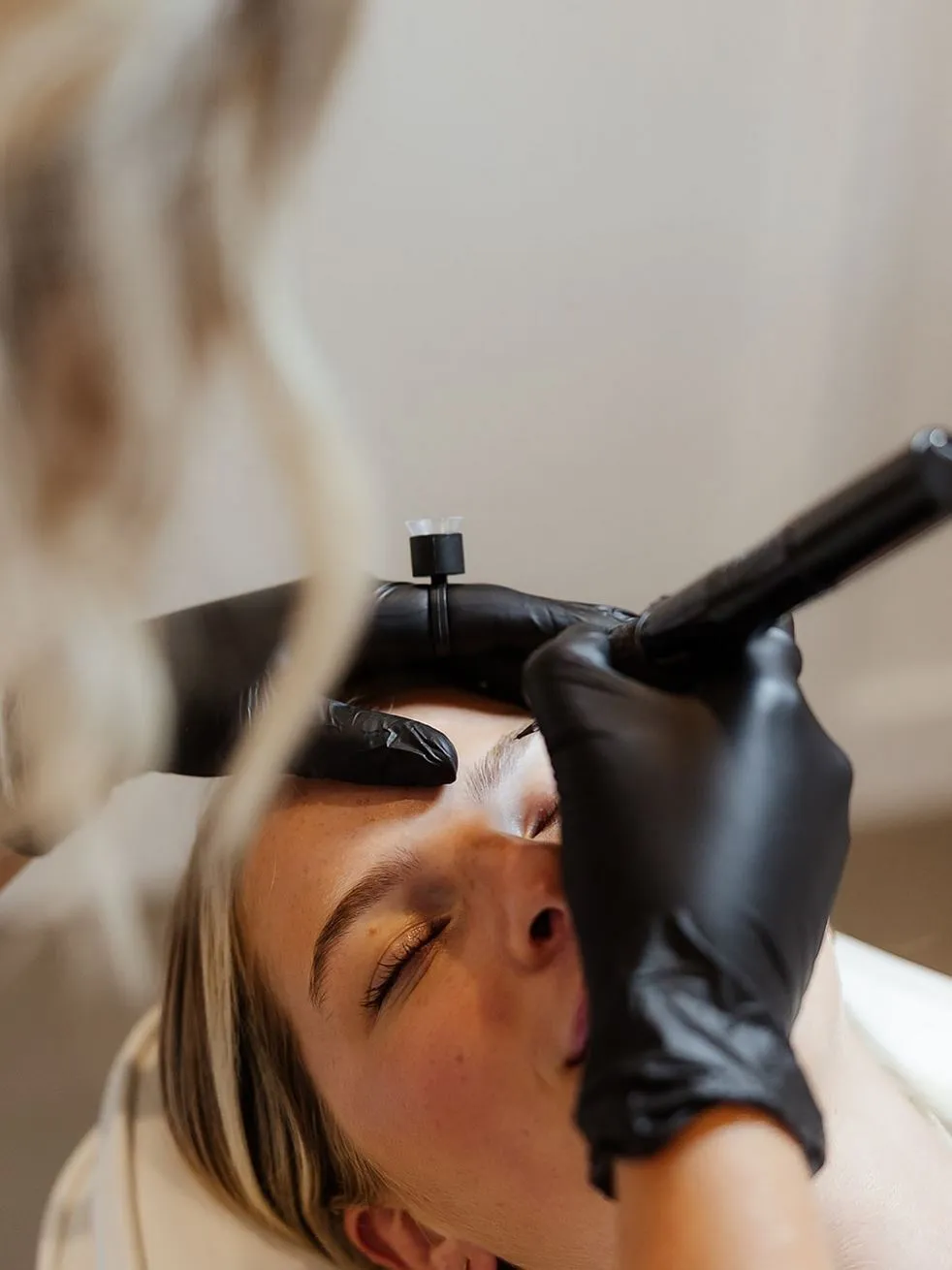
In our Brisbane studio, we meet all requirements for a licensed cosmetic tattoo service:
- Premises are approved by the Brisbane City Council
- We follow Queensland Health infection control guidelines
- We hold current qualifications in cosmetic tattooing, skin anatomy, and infection prevention
- We use single-use, sterile equipment and pigments that are TGA-registered and made for cosmetic tattooing procedures
It’s not just about ticking boxes. It’s about respecting the client’s face and health — especially for those with sensitive skin, medical conditions, or seeking medical treatment-related camouflage. We also stay up-to-date by participating in ongoing education, including every advanced cosmetic tattoo course that meets national training standards.
Tattoo Trends vs Legal Reality
According to the 2025 Australian Beauty Industry Report:
- Cosmetic tattooing services have grown 19% year-on-year since 2020
- DIY tattoo content has spiked by 67% on social media platforms
- Clinics report a 35% increase in corrective tattooing procedures following at-home attempts
Also noted:
- Body piercers and piercing studios have reported rising concerns about DIY practices leading to infections
- Tattoo parlours and tattooing businesses are seeing more clients seeking legal advice after home procedures go wrong
Translation? The trend is real. But so is the fallout.
Better Alternatives to Home Tattooing
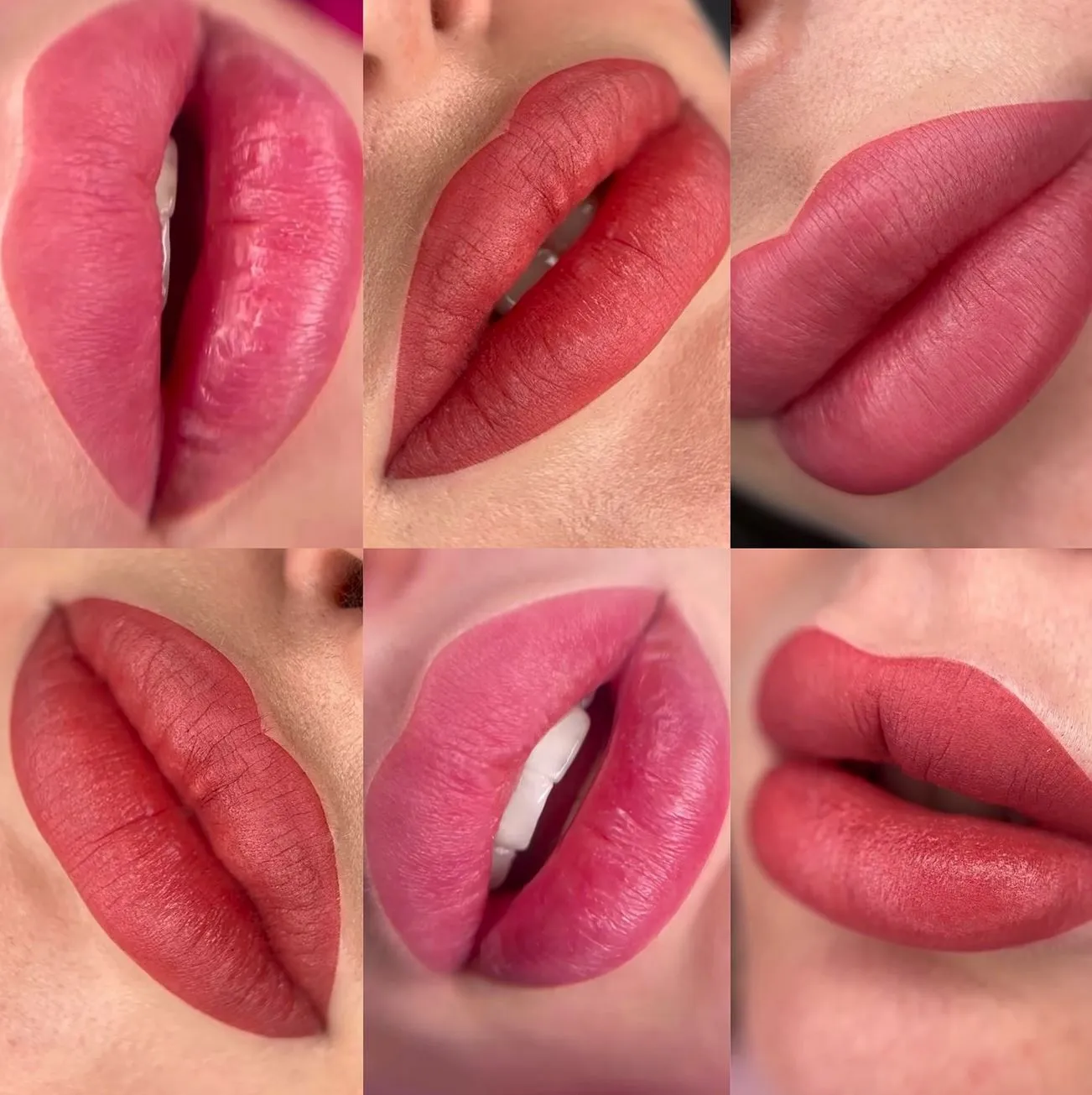
If you’re not ready to commit to a professional tattoo, consider safer options:
- Henna brows or tinting for a temporary brow shape
- Lash enhancements like lifts or tints
- Lip blush glosses that mimic healed tattoo colour
- Book a consultation with a beauty therapist or cosmetic tattoo artist to discuss future options
We’ll never pressure you. But we’ll always educate you. And if you’re passionate about pursuing tattooing professionally, we can help guide you toward a reputable cosmetic tattoo course to start your journey.
Final Thoughts
Tattooing (cosmetic or otherwise) is not a casual experiment. It’s a permanent change to your skin, with risks that extend beyond aesthetics.
So, is home tattooing illegal in Australia? In most cases, yes — unless you’re fully licensed, trained, council-approved, and operating under strict hygiene protocols.
If you’re serious about cosmetic tattooing, come chat to us at Cosmetic Tattoo Brisbane Studio Face Figurati. We’ll walk you through your options safely and legally. Whether you’re a business owner, aspiring tattoo artist, or curious client, we’re here to guide you with a practical guide tailored to your goals.
FAQ
Can I tattoo myself at home legally in Australia?
Technically yes in some areas, but only if it’s for personal use, follows hygiene protocols, and isn’t advertised. In reality, it’s risky and often crosses legal lines.
Is it illegal to do cosmetic tattoos from home?
Yes, unless your premises are council-approved and you hold proper certification and insurance. Tattoo parlour business models must also comply with zoning and safety laws.
What qualifications do I need to offer cosmetic tattoos in Brisbane?
You need infection control certification, cosmetic tattoo training, and a personal appearance services licence with approved premises.
What if I only do tattoos on friends or family?
That doesn’t exempt you. You still need to meet the same legal and health requirements as a professional tattoo studio or parlour.
What’s the penalty for illegal tattooing?
Penalties vary but can include fines over $10,000, closure orders, and criminal charges in some cases. This applies to both cosmetic tattooing and other body art tattooists operating unlawfully.