Let’s be honest: the idea of gliding a sharp blade across your face in the name of smooth skin sounds a little intimidating — especially when social media makes it look way too easy. But is dermaplaning difficult to do at home? Or can it really be part of your regular beauty routine, right next to your skin serums and sunscreen?
We’re diving into what actually works, what to avoid, and what our Brisbane clients have asked us time and time again. This guide is your no-fluff, no-fail breakdown of at-home dermaplaning: how it compares to professional treatment, the risks you need to know, and what we’d never do to our own skin.
At Cosmetic Tattoo Brisbane Studio Face Figurati, we see a growing number of clients curious about dermaplaning — whether it’s safe, effective, or something they can manage between appointments.
Contents
What You Should Know
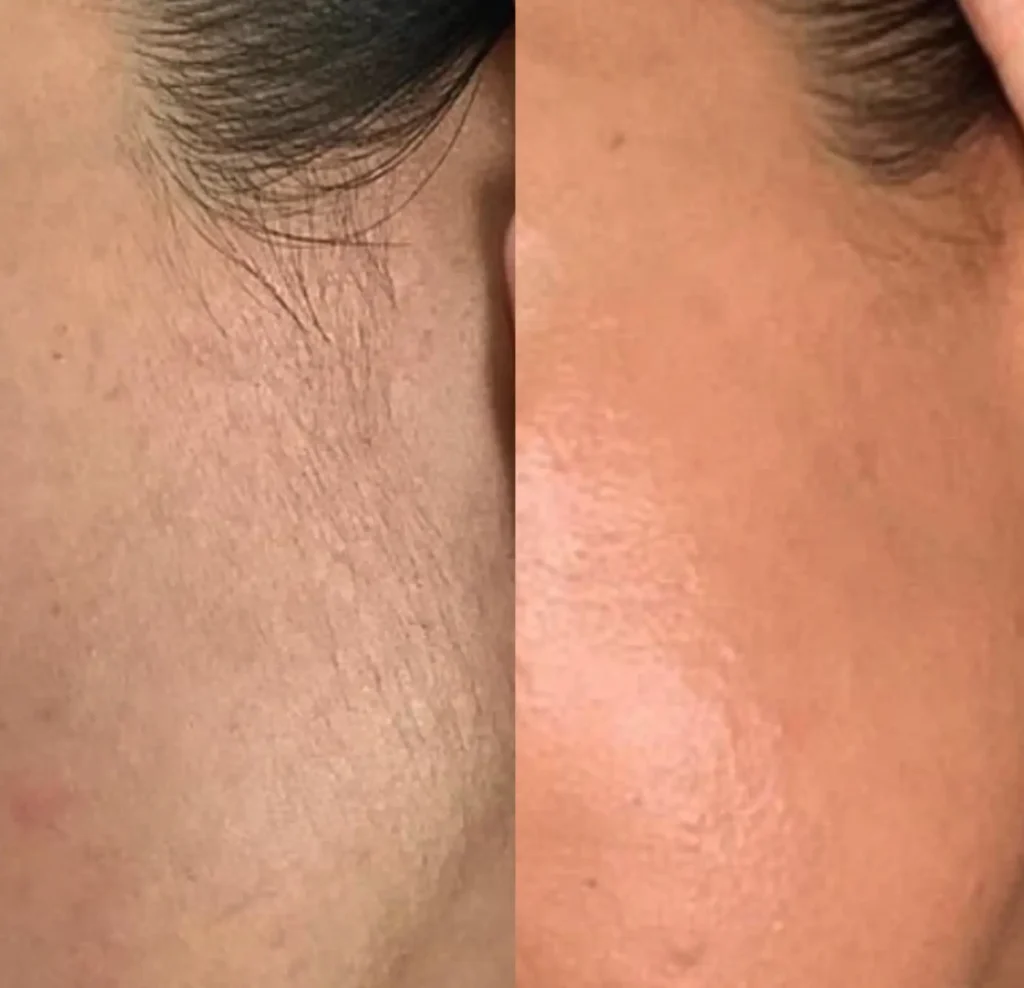
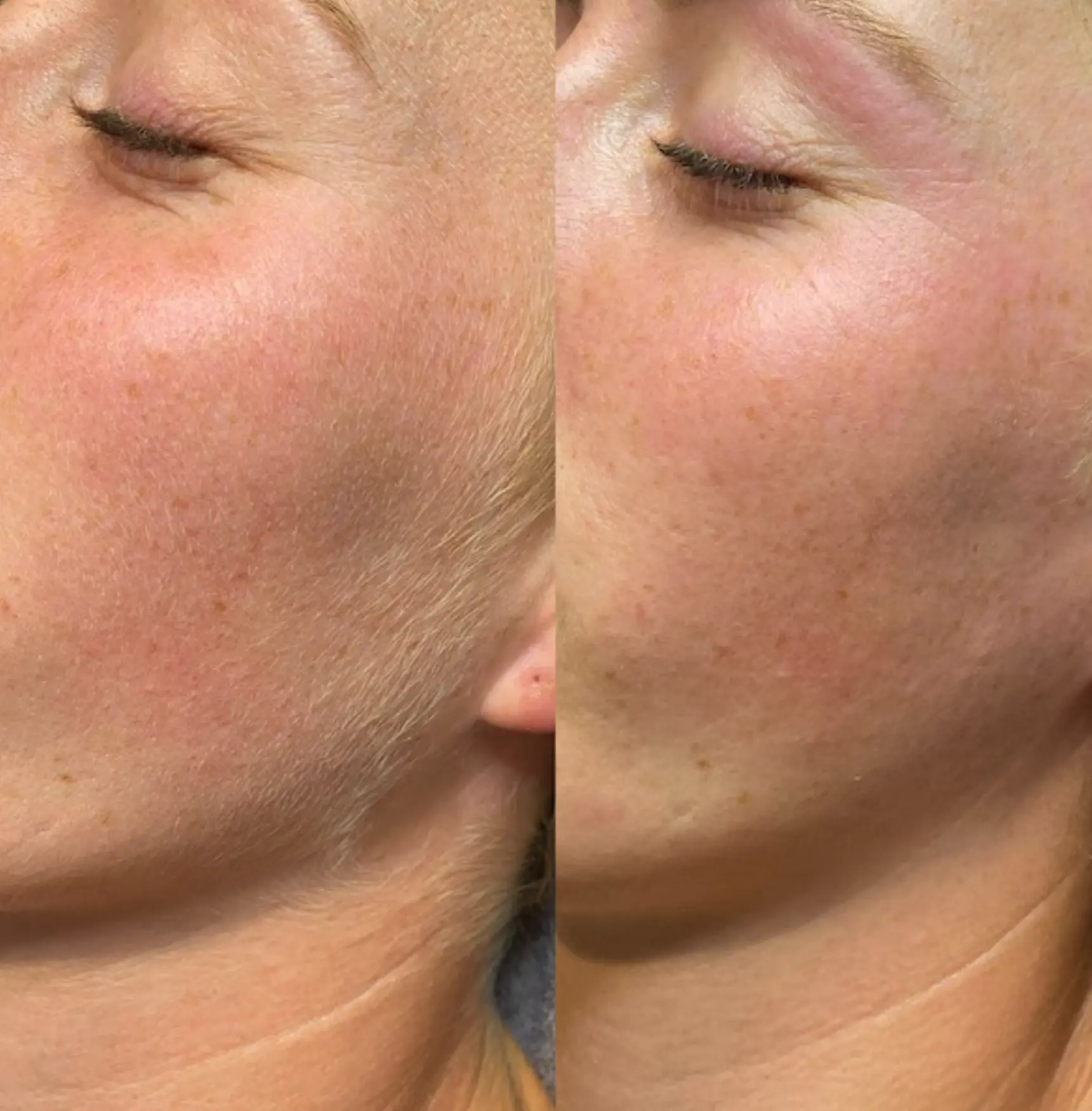
It’s one of those beauty procedures that gets thrown around, but what does dermaplaning really do? Simply put, it’s a form of physical exfoliation. Using a sterile blade or surgical blade, dead skin cells and vellus hairs (aka peach fuzz) are gently scraped away from the outer layer of the skin, revealing smoother skin and a brighter complexion underneath.
In the studio, we use medical-grade beauty tools and apply the correct technique — specific angles and gentle strokes — to ensure facial exfoliation is done safely: no nicks, no post-treatment breakouts. Done right, dermaplaning helps product penetration, allows skincare products to absorb more effectively, and gives you that smoother canvas that’s hard to replicate at home.
Our team at Cosmetic Tattoo Brisbane Studio Face Figurati uses dermaplaning as part of customised facial treatments, especially when prepping for cosmetic tattoo sessions or improving overall skin texture.
DIY vs Professional: What’s the Real Difference?
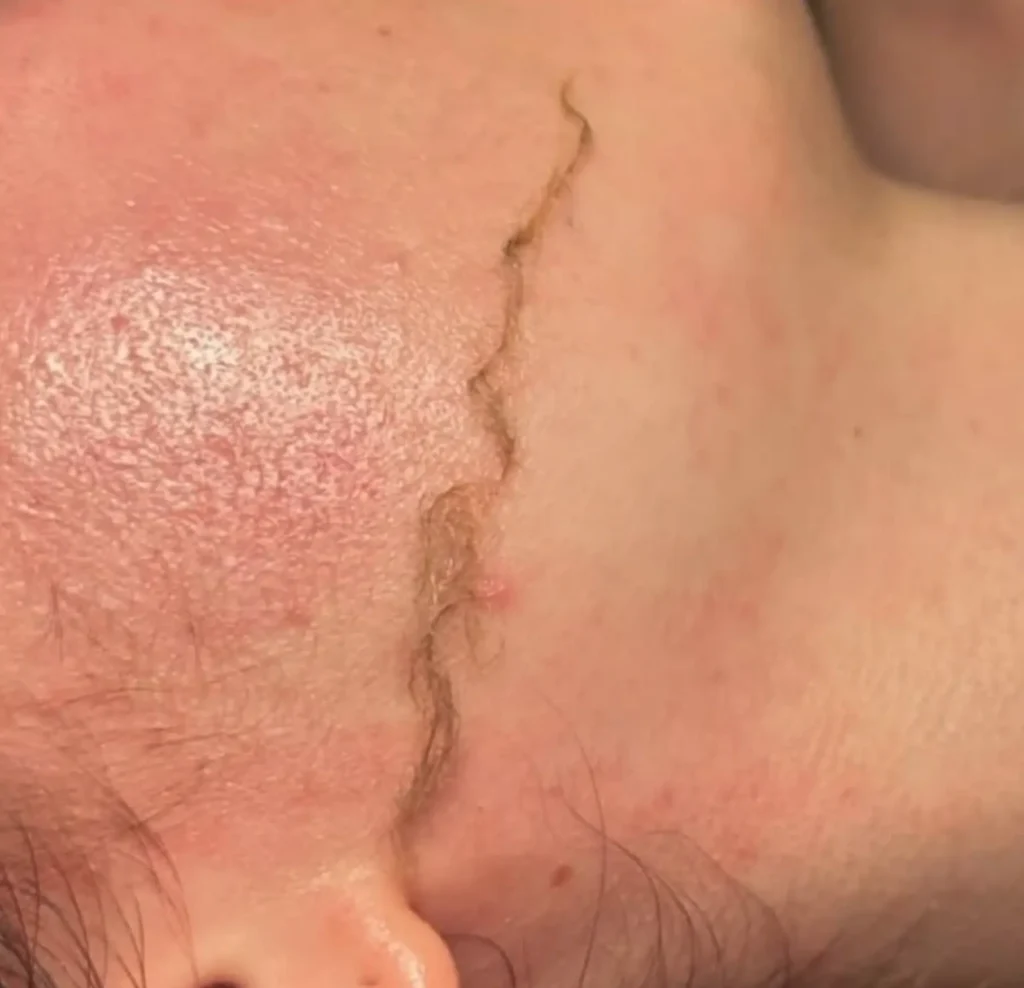
This is the part where we pull out the honesty card. At-home dermaplaning can work — but it’s not the same thing as a clinic-grade cosmetic procedure. Most at-home blades are plastic or metal dermaplaners (like a traditional razor or straight razor) and can only remove facial hair, not deep layers of dead skin cells.
Here’s a quick breakdown:
| Feature | At-Home Dermaplaning | Professional Dermaplaning |
|---|---|---|
| Tools Used | Beauty brands’ plastic or metal blades | Surgical blade, sterile blade |
| Level of Exfoliation | Superficial, mostly hair removal | Deep removal of dead skin cells |
| Risk of Cuts | Higher if sharp objects are mishandled | Low with correct technique |
| Sanitation | Depends on the user and clean blade | Clinic-grade hygiene |
| Results | Mild skin benefits | Brighter skin, smoother canvas |
If you’ve got Acne-prone skin types, mature skin, sensitive skin, or active breakouts, we’d never recommend doing it yourself. The margin for error is too high, and we’ve seen clients come in with irritated skin barrier, uneven complexion, or even small cuts and risk of infection.
What to Know Before You Try It at Home
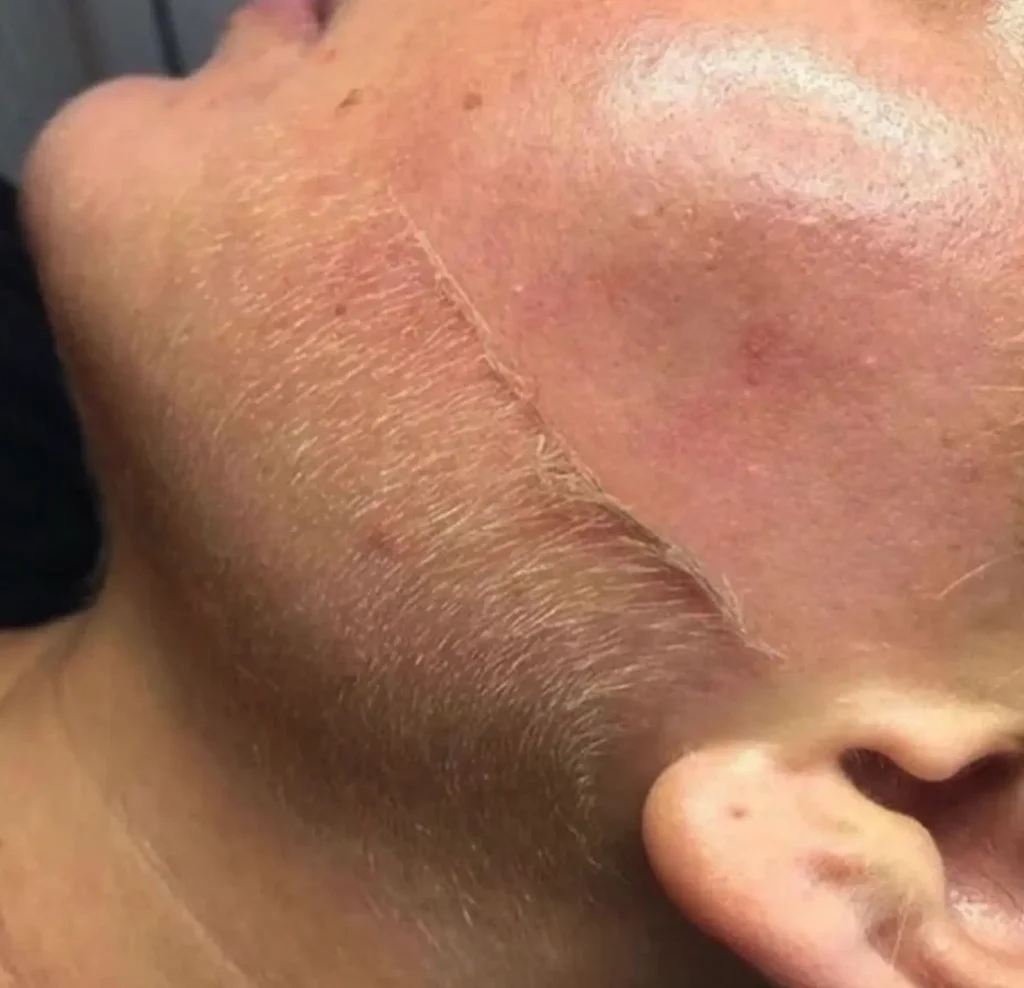
If you’re still keen to give it a go, prep properly. Clean skin and a clean blade are non-negotiables.
Here’s what we tell our clients when they ask about DIY dermaplaning:
Pre-Treatment Checklist
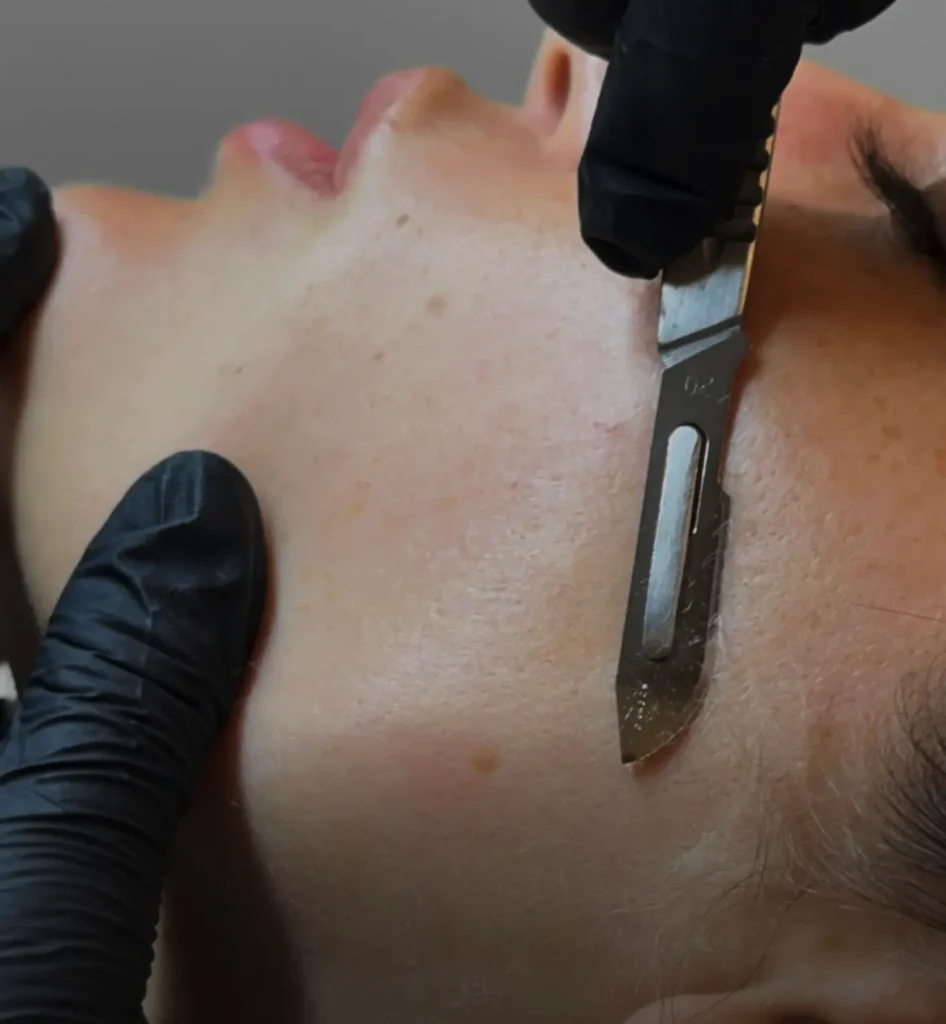
- Wash your hands thoroughly
- Wipe your metal dermaplaner or blade with alcohol
- Cleanse skin with a non-exfoliating cleanser
- Dry skin completely before beginning (skin dry = better control)
Technique Tips
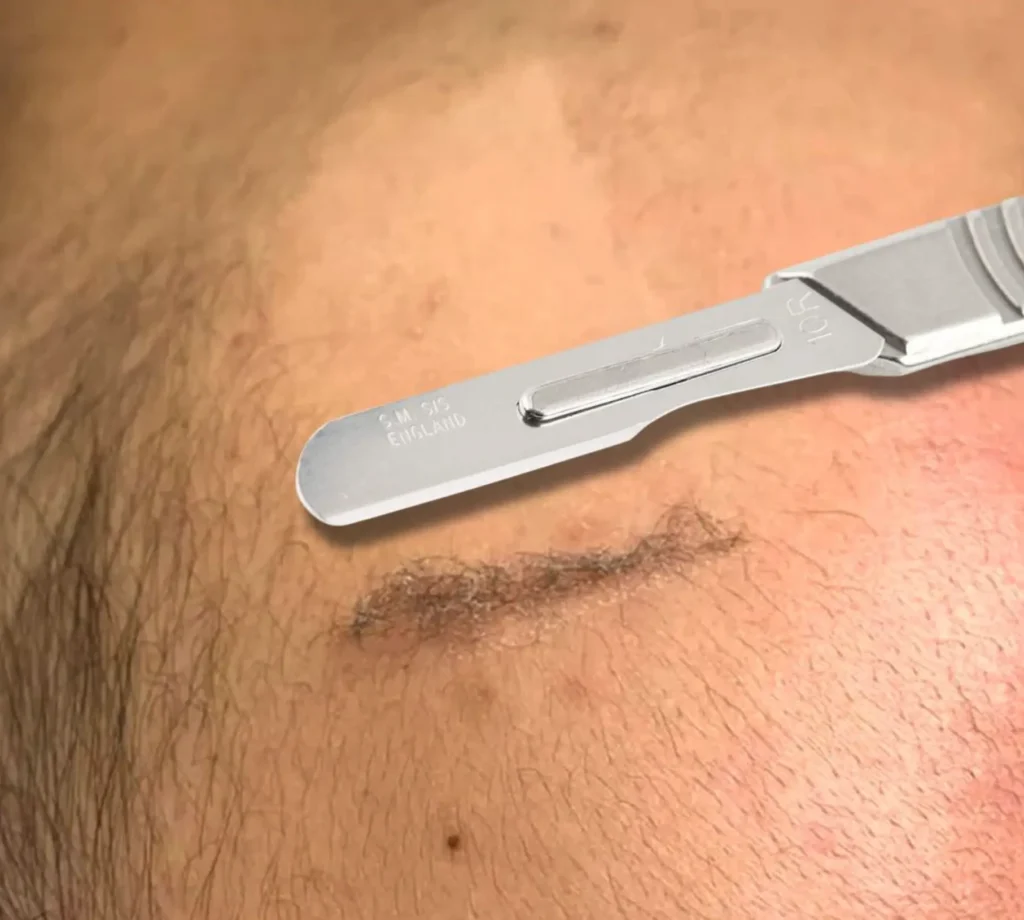
- Hold skin taut with one hand
- Use the blade at a 45-degree angle
- Light, gentle strokes only — never drag or press hard
- Avoid sharp objects near active acne, broken skin, or coarser hair zones
Post-Treatment Care
- Apply a hydrating serum (we love HA or centella for recovery time)
- Skip active skincare products like AHAs, BHAs, or retinoids for a couple of days
- Use sunscreen daily — your outer layer is freshly exfoliated
And no, don’t reuse that blade. The risk of infection, irritation, or worse isn’t worth it.
Common Mistakes We See All the Time
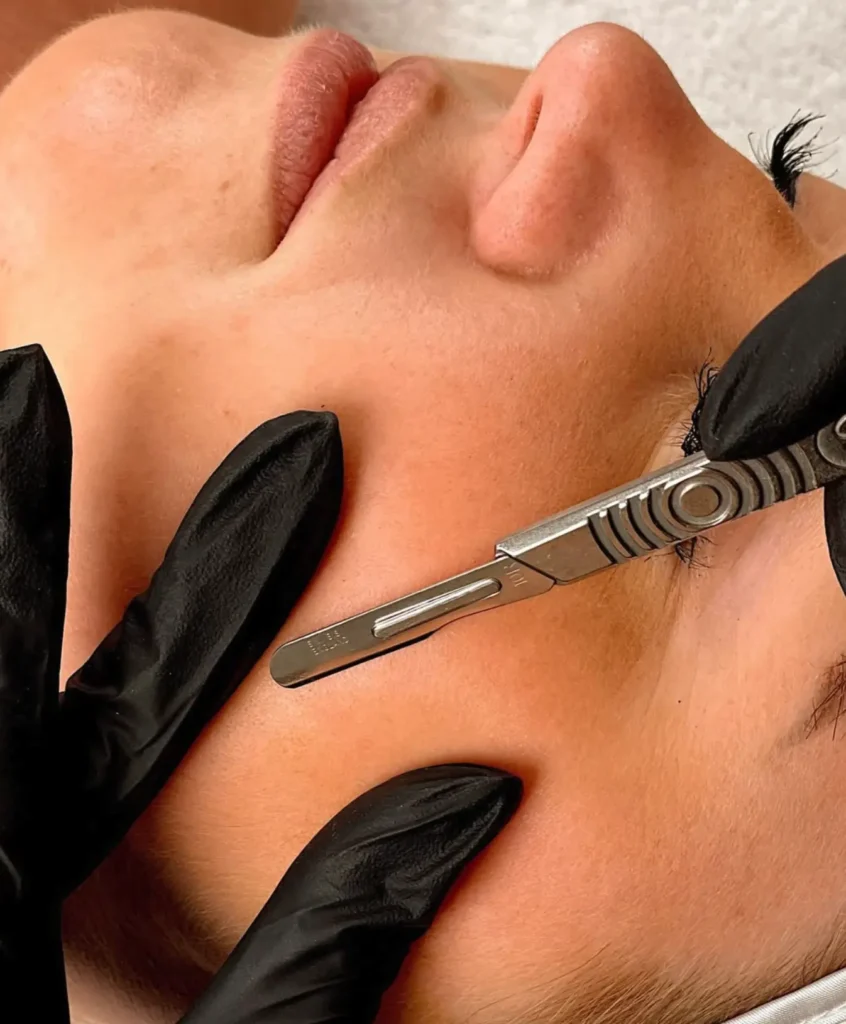
We’ve had more than a few Brisbane clients book in after trying at-home dermaplaning and getting less-than-glowy results. Some even thought they’d given themselves a mini chemical peel — but what they really did was over-exfoliate and aggravate existing skin concerns.
Here are some DIY missteps we see often:
- Overdoing it: Too often, or on compromised skin types.
- Using a blunt or dirty blade: Damages the layer of skin and disrupts the skin barrier.
- Not prepping: Skipping clean skin and sanitised tools opens the door to ingrown hairs or inflammation.
- Treating skin with active acne or an active skin condition: Increases risk of irritation and flare-ups.
At Cosmetic Tattooing Brisbane studio Face Figurati, we regularly help clients correct damage caused by poor at-home dermaplaning attempts — and we always focus on skin safety first.
Is It Worth It?
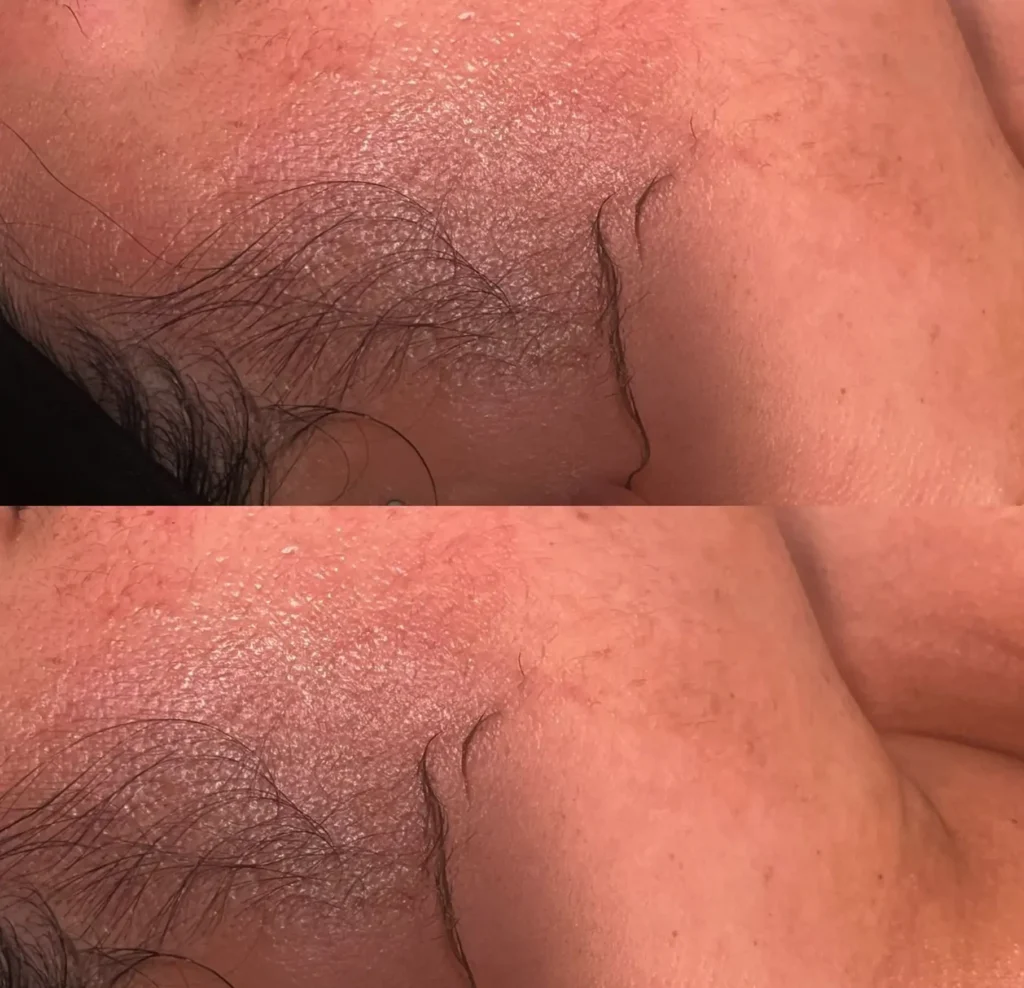
For most of our Brisbane clients, office treatments every 4–6 weeks are the sweet spot. They’re safer, longer-lasting, and tailored to your skin type and personal preferences. But if your skincare regimen or budget leans DIY, occasional home treatments (done correctly) can help maintain smoother skin and a youthful complexion.
Just remember: not all beauty tools are created equal. And your skin doesn’t bounce back from trauma like it did at 22.
What Are the Trends in 2025?
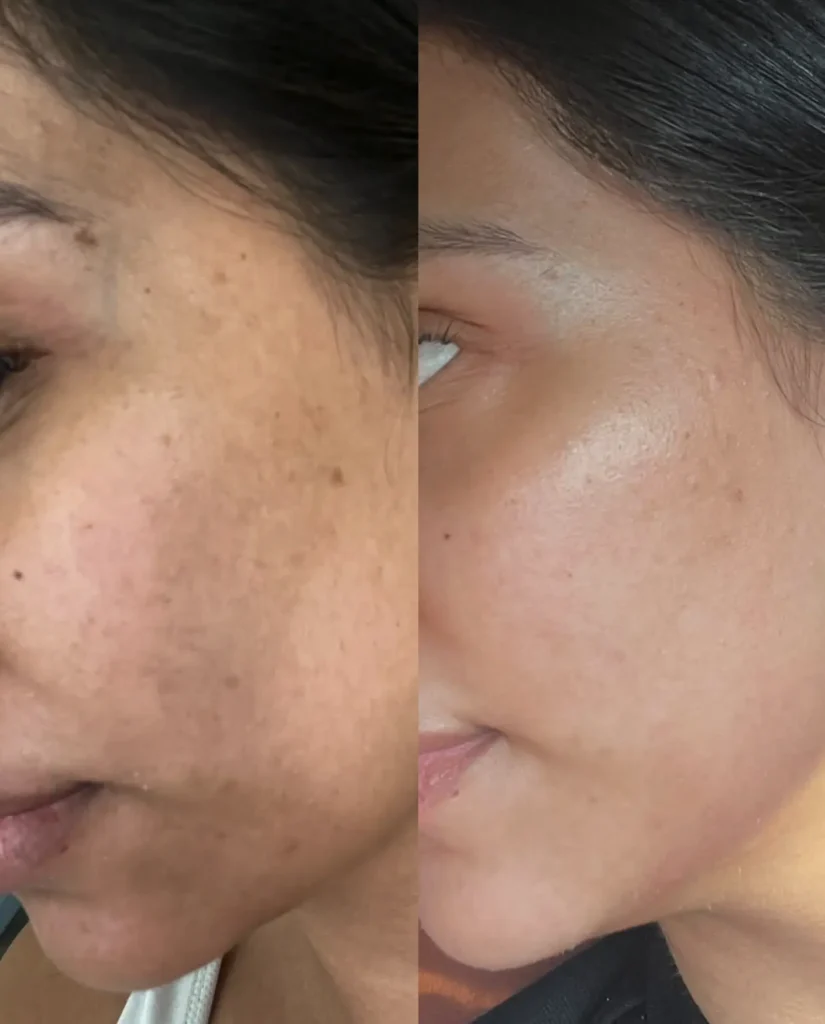
According to the 2025 beauty industry data, the demand for at-home beauty products — especially dermaplaning tools — is up 12% globally, with strong uptake in Australia. But here’s the catch: dermatologists also report a 22% increase in barrier-damaged skin linked to improper exfoliation and active skincare products.
The lesson? Even if it’s trending, your skincare treatments should suit your skin tone, skin type, and lifestyle.
Final Thoughts
So, is dermaplaning difficult to do at home? With the right beauty products, skin knowledge, and a steady hand, it’s manageable. But there are real risks — from the risk of cuts and nicks to long-term skin texture changes if you skip proper technique.
At our Brisbane studio — Cosmetic Tattoo Brisbane Studio Face Figurati — we’ve seen the best and worst of DIY results. We’ve helped correct ingrown hairs, patchy hair regrowth, and uneven complexion due to poor technique. But we’ve also seen skincare-savvy clients fit this safely into their beauty routine with stunning skin benefits.
Curious what a professional treatment feels like? Book in or pop by — we’ll guide you through the safest path to a brighter complexion and amazing experience.
2026 Skin Wellness Shift
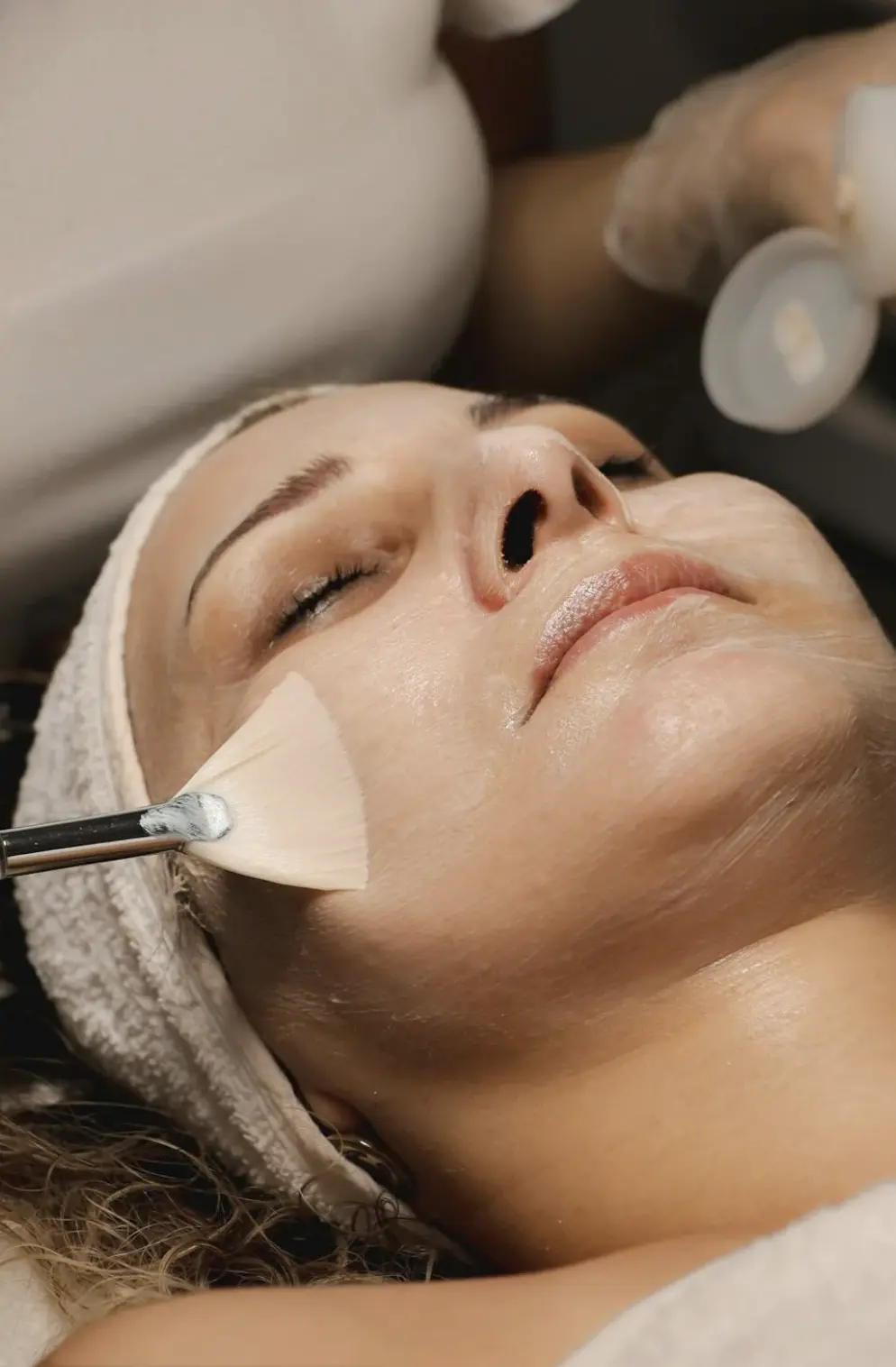
By 2026, client behaviour around exfoliation has noticeably shifted toward nervous-system-friendly skincare. Industry wellness reports show that over 38% of facial clients now prioritise relaxation-led treatments over aggressive exfoliation, especially in high-stress urban environments like Brisbane. This change is driven by increased awareness of skin–stress connections, cortisol-related inflammation, and barrier damage linked to overuse of active skincare and DIY treatments at home.
As a result, many clients who once relied on frequent dermaplaning are now alternating with calming, restorative options such as a relaxation facial at The Facial Hub. These treatments focus on lymphatic flow, facial massage, hydration, and nervous system down-regulation — delivering visible skin brightness without triggering post-treatment redness or sensitivity. Clinics reported a 29% reduction in post-exfoliation flare-ups when clients incorporated relaxation-based facials into their regular skin routines.
Another key 2026 trend is the move away from “DIY everything” culture. While at-home dermaplaning remains popular, professional data shows a 24% increase in clients seeking corrective treatments after improper home exfoliation. In contrast, relaxation-focused facials are now being recommended as a maintenance anchor between active treatments — supporting skin recovery, improving circulation, and keeping the barrier intact while still delivering that healthy glow Brisbane clients love.
FAQ
Does hair grow back thicker after dermaplaning?
Nope. Popular belief says it might, but hair follicles don’t change. It just feels different due to the blunt edge.
Can I dermaplane over acne?
Never. If you’ve got active acne or an active skin condition, you risk damaging skin over time and spreading bacteria.
What’s the best time to dermaplane?
Evening. Gives your skin time to calm and lets you hydrate without sun exposure.
Can men dermaplane too?
Absolutely. Just be mindful of coarser hair and facial hair zones. Stick to cheeks and forehead.
How often should I dermaplane at home?
Every 3–4 weeks. Overdoing it disrupts cell turnover and causes more harm than good.